
RECYCLING Vs UPCYCLING
When Modern Fashion Demands More Than Just Circulation
In today’s eco-conscious era, the terms recycling and upcycling are often used interchangeably. However, a closer look reveals that they represent very different approaches—not only in how materials are reused, but also in the impact they have on our planet.
Recycling refers to the process of converting used materials into new raw materials. It is typically an industrial process in which products are melted down, broken apart, or chemically treated so they can be remade. For instance, plastic bottles can be processed into polyester fibers for textile production. While recycling plays an important role in reducing waste, it still requires significant energy and resources to transform materials into something new.
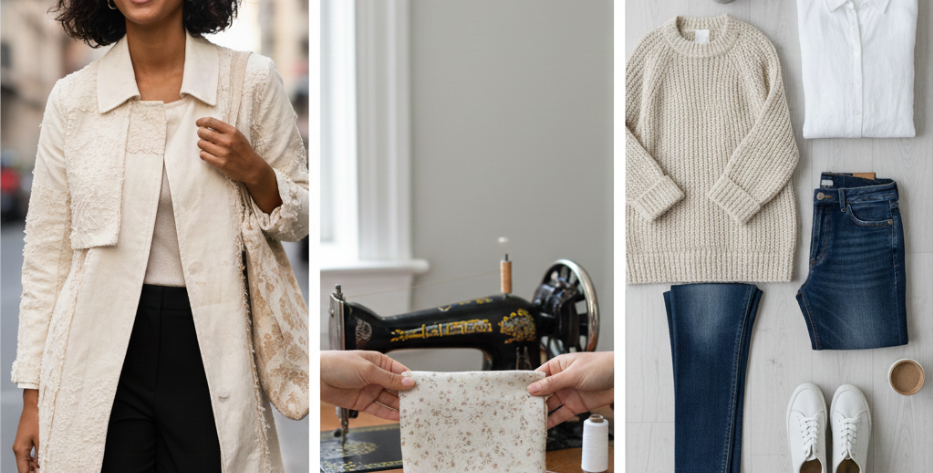
Upcycling, on the other hand, takes a different approach. Instead of breaking materials down, it transforms existing ones into products of higher value—often approaching the level of a design piece.
This is the path that inspires us most. Upcycling allows high-quality surplus fabrics from the fashion industry to be reimagined through careful craftsmanship and thoughtful design. Through this process, these materials are transformed into new garments with renewed purpose, distinctive character, and greater value. By working with fabrics that already exist, upcycling reduces the need for new production while giving unused resources a meaningful second life.
The next time you choose a piece of clothing, take a moment to consider what you want to support: a system driven by large-scale production, or a piece that carries a story—one that gives materials another chance to live on.
Choosing upcycled fashion is not only an environmentally conscious decision. It is also a way to embrace thoughtful design, individuality, and a deeper connection to the intention behind the brand that creates it.